• Skip to primary navigation
  • Skip to main content
  • Skip to primary sidebar

KBS LTER

Kellogg Biological Station | Long-Term Ecological Research

  • Follow us on instagram
  • Follow us on bluesky
  • Open the Aglog
  • view current local weather
  • Home
  • ABOUT
    • KBS LTER PROGRAM
    • PROJECT HISTORY
    • LEADERSHIP
    • PEOPLE
    • LTER NETWORK
    • IN THE NEWS
  • RESEARCH
    • RESARCH AT KBS LTER
    • LONG-TERM EXPERIMENTS
    • SITE DESCRIPTION AND MAPS
      • LAND ACKNOWLEDGEMENT
      • SITE DESCRIPTION
      • SITE HISTORY
      • SOIL DESCRIPTION
      • PLOT LAYOUTS
      • THEMATIC MAPS
    • PUBLICATIONS
      • ALL PUBLICATIONS
      • PUBLICATIONS BY EXPERIMENT
      • DISSERTATIONS only
      • SYNTHESIS BOOK only
      • SPECIAL PUBLICATIONS
      • PUBLICATION DATASETS
  • DATA
    • DATA CATALOG
    • RESEARCH PROTOCOLS
    • AIRPHOTOS
    • SATELLITE IMAGERY
    • GIS DATA
    • TERMS OF USE
    • DATA SUBMISSION GUIDELINES
  • WORK WITH US
    • CONDUCTING RESEARCH
      • RESEARCH FACILITIES
      • ASSOCIATED PROJECTS
    • COLLABORATE
    • GRAD OPPORTUNITIES & FUNDING
    • NEW RESEARCHERS AND STUDENTS
    • ACKNOWLEDGEMENTS
    • JOB OPENINGS
  • PUBLIC PROGRAMS
    • K-12 PARTNERSHIP
    • DATA NUGGETS
    • MiSTRIPS
    • ARTISTS-IN-RESIDENCE
    • FIELD TRIPS AND TOURS
    • RESOURCES
  • PHOTOS
  • BLOG
  • CONTACT US

farming

Kellogg Biological Station joins multi-state effort to increase the adoption of prairie strips across the Midwest

8.17.21

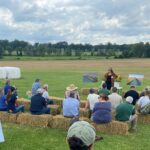
Attendees of the kick-off MiSTRIPS event sitting on straw bales and listening to a presentation.

Before there were the gently rolling hills of farmland and forest we see today, southwest Michigan’s landscape included large areas of prairie habitat. Dominated by wildflowers, grasses, and sedges, these habitats were maintained by periodic fires and included oak barrens, dry sand prairies, and wetland prairies. Today, only a few remnants of Michigan’s historical prairies remain on the landscape.  Prairie strips, a conservation practice in row crops that protects soil and water while providing habitat for wildlife, are one way to restore these habitats to the

Continue reading Kellogg Biological Station joins multi-state effort to increase the adoption of prairie strips across the Midwest

Herbicide resistant weeds threaten conservation agriculture
6.16.21

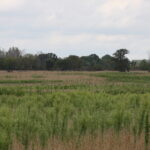
Glyphosate-resistant horseweed growing in a Michigan soybean field.

East Lansing, MI – Soybean farmers are turning away from conservation agriculture practices that protect soil and environmental health to manage herbicide resistant weeds, say researchers in Michigan State University’s (MSU) Department of Agricultural, Food, and Resource Economics (AFRE). In a new study published in the American Journal of Agricultural Economics, Braeden Van Deynze (now a postdoctoral research associate at the University of Washington), Scott Swinton (MSU), and David Hennessy (MSU), examined the herbicide and tillage records of thousands of soybean farmers across the United

Continue reading Herbicide resistant weeds threaten conservation agriculture

On-farm conservation practices to build resilience: Notes from a virtual field day
9.21.20

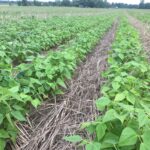
soybeans in the spring still showing the residue of the previous cover crop

Monica Jean, Educator with Michigan State University Extension (MSUE), shares details from the recent Cropping System Resilience Virtual Field Day, held July 2020. For the original article, see the MSUE website. MSUE teamed up with The Kellogg Biological Station Long-term Ecological Research (KBS LTER) program and farmers in the Central Southern region of Michigan to host a live Cropping System Resilience Virtual Field Day in July. The day included a farm tour and interactive questions from the audience. During the tour, topics discussed were relay cropping, interseeding covers, and

Continue reading On-farm conservation practices to build resilience: Notes from a virtual field day

Soil is life – let’s keep it healthy! Reflections from an undergrad researcher
8.14.14

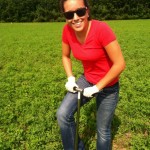
Each summer the KBS LTER supports students to participate in the Research Experiences for Undergraduates (REU) program, funded by the National Science Foundation. This is part of a larger undergraduate research program at KBS. Alessandra Zuniga, a senior at New Mexico State University, writes about her REU experience working with KBS LTER scientists Christine Sprunger and Brendan O'Neill. Coming from the hot arid deserts of the southwest, I never expected to find myself in the middle of lush green Michigan. I was born and raised in the city of Las Cruces, New Mexico and had the privilege to

Continue reading Soil is life – let’s keep it healthy! Reflections from an undergrad researcher

Sidebar

Recent News and Events

  • KBS LTER scientists use machine learning to improve prediction of US cropland nitrous oxide emissions
  • Undergraduate and graduate KBS researchers show how climate warming may be a boon for native goldenrod
  • Graduate research from the KBS LTER reveals plant traits that predict ecosystem stability
  • Farmscapes to Forests: An evening with KBS LTER’s 2025 Artists-in-Residence
  • RET Melissa Frost to visit Konza LTER in cross-site synthesis effort

Blog Categories

  • Education and Outreach News
  • Events
  • Research News

Copyright © 2026 Michigan State University Board of Trustees | East Lansing, MI | 48824

  • LEGAL
  • MSU HOME
  • SITEMAP
  • RSS
  • EMAIL