KBS LTER

Kellogg Biological Station | Long-Term Ecological Research

Follow us on instagramFollow us on blueskyOpen the Aglogview current local weather
  • Home
  • ABOUT
    • KBS LTER PROGRAM
    • PROJECT HISTORY
    • LEADERSHIP
    • PEOPLE
    • LTER NETWORK
    • IN THE NEWS
  • RESEARCH
    • RESEARCH HIGHLIGHTS
      • CLIMATE CHANGE
      • LANDSCAPE DIVERSITY
      • SOIL MICROBES
      • CLEAN WATER
    • AREAS OF RESEARCH
      • AGRONOMY
      • MICROBIAL ECOLOGY
      • PLANT DYNAMICS
      • INSECT DYNAMICS
      • BIOGEOCHEMISTRY
      • REGIONALIZATION
      • ECOSYSTEM SERVICES
      • BIOFUELS
    • LONG-TERM EXPERIMENTS
    • SITE DESCRIPTION AND MAPS
      • LAND ACKNOWLEDGEMENT
      • SITE DESCRIPTION
      • SITE HISTORY
      • SOIL DESCRIPTION
      • PLOT LAYOUTS
      • THEMATIC MAPS
    • PUBLICATIONS
      • ALL PUBLICATIONS
      • PUBLICATIONS BY EXPERIMENT
      • DISSERTATIONS only
      • SYNTHESIS BOOK only
      • SPECIAL PUBLICATIONS
      • PUBLICATION DATASETS
      • LTER MEETING ABSTRACTS
  • DATA
    • DATA CATALOG
    • RESEARCH PROTOCOLS
    • AIRPHOTOS
    • SATELLITE IMAGERY
    • GIS DATA
    • TERMS OF USE
    • DATA SUBMISSION GUIDELINES
  • WORK WITH US
    • CONDUCTING RESEARCH
      • RESEARCH FACILITIES
      • SITE USE POLICY/FORMS
      • ASSOCIATED PROJECTS
    • COLLABORATE
    • GRAD OPPORTUNITIES & FUNDING
    • NEW RESEARCHERS AND STUDENTS
    • ACKNOWLEDGEMENTS
    • JOB OPENINGS
  • PUBLIC PROGRAMS
    • K-12 PARTNERSHIP
    • DATA NUGGETS
    • MiSTRIPS
    • ARTISTS-IN-RESIDENCE
    • FIELD TRIPS AND TOURS
    • RESOURCES
  • PHOTOS
  • BLOG
  • CONTACT US

MiSTRIPS impacts farmers beyond their fields

12.16.25

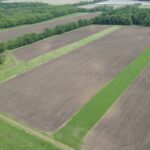
The MiSTRIPS program is helping Michigan farmers boost soil health, support wildlife, and increase profit by integrating native prairie strips into working farmland, making a meaningful impact and fostering new relationships between land stewards and researchers. The MiSTRIPS program has supported 11 Michigan farmers in planting more than 50 acres of native prairie and prairie strips, creating meaningful change across agricultural communities and building strong connections between land stewards and scientists. Farmers from across the state have joined MiSTRIPS over the past five years,

Read More

MiSTRIPS program inspires local artists and strengthens community connections

12.9.25

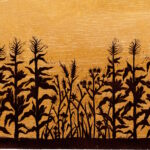
A piece of art featuring a prairie strip.

Visiting artists and members of the KBS community have transformed the science of prairie strips into art that celebrates the beauty and resilience of agricultural landscapes. Rooted in sustainable agriculture and scientific discovery, MiSTRIPS has reached far beyond the original audience of farmers and agricultural conservation groups to cultivates creativity and community connection at KBS. While originally focused on increasing understanding and adoption of the conservation practice of prairie strips, MiSTRIPS now crosses disciplines and inspires artists to interpret the beauty and

Read More

8th Annual Underground Innovations to expand regenerative farmer networks in Michigan

12.8.25

Hickory Corners, MI - Registration is now open for the 8th annual Underground Innovations winter meeting for innovative farmers, agricultural and environmental professionals, and others. Presented by Michigan Agriculture Advancement (MiAA) with support from the Kellogg Biological Station Long Term Ecological Research Program (KBS LTER), this event will continue to build and support a community of curiously minded people who love to be inspired by innovation in other fields and apply it to their own contexts. Taking place February 4-5th in 2026, we will spend two days and one

Read More

MiSTRIPS program sparks new research and stronger community partnerships

11.25.25

Researchers at the KBS LTER have leveraged the MiSTRIPS partnership network to launch new grant-funded projects and field studies that may not have been possible without the program. The MiSTRIPS Program at the KBS LTER has become a springboard for new research, helping scientists secure grants and expand studies in sustainable agriculture. Its impact now reaches well beyond installing native prairie species in cropland. In addition to supporting farmers and adding 50 new acres of prairie across Michigan, MiSTRIPS sites also provide valuable field locations for researchers to

Read More

MiSTRIPS celebrates five years of success in sustainable agriculture with prairie strips

10.6.25

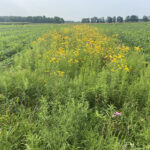
Since its launch in July 2021, the MiSTRIPS Program at the Kellogg Biological Station Long Term Ecological Research Program - KBS LTER - has established over 50 acres of prairie in agricultural lands across Michigan that have helped to improve water quality, increase wildlife diversity, and build soil health. Research at the KBS LTER aims to inform farmers’ ability to increase food and energy production while maintaining ecosystem services and farm profitability. The main experiment at the LTER has been running for over 30 years and reflects conventional and aspirational practices at the t

Read More

Prairie strips that pay – upcoming MiSTRIPS Field Day

7.9.25

MiSTRIPS Field Day Flier

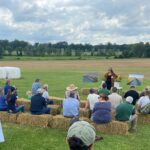
As a follow up to the 2025 Cultivating Resilience Winter Conference, Ottawa Conservation District has partnered up with the Michigan State University Kellogg Biological Station and Shady Side Farm to bring you a  field day focused on incorporating prairie strips into your farmland operations and crop fields. Strategically placed native prairie strips in crop fields can increase local pollinator biodiversity, improve local water quality and soil health, and can increase your farm profitability! Attendees will learn from MSU staff and MiSTRIPS farmer, Mike Bronkema from Shady Side Farm, about

Read More

Collaborative study with Michigan DNR to support agriculture and conservation

4.8.25

Nick, Mike, and Don standing with prairie seeds in bags on a pallet.

Investigators at the KBS LTER are working with Michigan Department of Natural Resources staff to determine how replacing under-yielding areas of croplands with native perennial plants can improve biodiversity and ecosystem services while having the lowest loss in agricultural production. The study represents co-production of knowledge through identifying shared goals and questions, and a great opportunity to scale up long term ecological knowledge generated at the LTER to the farm scale. Agricultural landscapes represent a balancing act between different interests and goals. These lands

Read More

Prairie strips: a refuge in an agricultural desert or an ecological trap for native pollinators?

2.17.25

Graduate research from the LTER shows that prairie strips planted within agricultural monocrops are not an “ecological trap”  for native pollinators - but they also don’t reduce insecticide runoff that may pose a threat. Agriculture is essential, but the lack of biodiversity in farmland can create ecological barrens. Prairie strips - the long, thin strips of tallgrass prairie vegetation planted adjacent to agriculture - have potential to bring ecosystem services into agricultural spaces, such as increased pollination, enhanced microbial diversity, and containment of nutrient runoff

Read More

Award-winning graduate research highlights previously unrecorded benefits of prairie strips

1.15.25

Three years of butterfly surveys across the LTER Main Cropping Systems Experiment show that agricultural plots where 5% of cropland was converted to prairie harbor unique species and have a greater abundance of butterflies than plots without prairie. This work earned Lindsey Kemmerling, who completed her Ph.D. studies at W.K. Kellogg Biological Station in the Haddad Lab, the 2023 Royal Entomological Society Journal Award. As agriculture increases in intensity across the U.S., finding ways to conserve ecological systems while supporting crop production has become critical. Keeping native

Read More

Using community-engaged scholarship to address conservation barriers in rural Michigan croplands 

12.18.24

Cindy Fiser in front of a prairie strip, surrounded by a corn field.

Cynthia Fiser is a PhD candidate in the Landis Lab at Michigan State University, Department of Entomology and a 2024 KBS Broader Impacts Fellow. Her research looks at the ecological and social impacts of perennial prairie strips in row crop agriculture.  Change starts with people. Grassroots efforts that encourage people to learn, adapt, and share with others can help facilitate both community and individual capacity building. In the academic community, we pride ourselves that we know what the problems are, and it is our research that will be the solution. However,

Read More

  • 1
  • 2
  • Next Page »

Recent News and Events

  • Creativity and curiosity: K-Woods students explore science and art at KBS
  • MiSTRIPS impacts farmers beyond their fields
  • MiSTRIPS program inspires local artists and strengthens community connections
  • 8th Annual Underground Innovations to expand regenerative farmer networks in Michigan
  • MiSTRIPS program sparks new research and stronger community partnerships

Blog Categories

  • Education and Outreach News
  • Events
  • Research News

Copyright © 2026 Michigan State University Board of Trustees | East Lansing, MI | 48824

  • LEGAL
  • MSU HOME
  • SITEMAP
  • RSS
  • EMAIL