Skip to content

KBS LTER

Kellogg Biological Station | Long-Term Ecological Research

  • Follow us on instagram
  • Follow us on bluesky
  • Open the Aglog
  • view current local weather
  • Home
  • ABOUT
    • KBS LTER PROGRAM
    • PROJECT HISTORY
    • LEADERSHIP
    • PEOPLE
    • LTER NETWORK
    • IN THE NEWS
  • RESEARCH
    • RESEARCH HIGHLIGHTS
      • LANDSCAPE DIVERSITY
      • SOIL MICROBES
      • CLIMATE CHANGE
      • AGRONOMY
      • PLANT DYNAMICS
      • INSECT DYNAMICS
      • ECOSYSTEM SERVICES
    • LONG-TERM EXPERIMENTS
    • SITE DESCRIPTION AND MAPS
      • LAND ACKNOWLEDGEMENT
      • SITE DESCRIPTION
      • SITE HISTORY
      • SOIL DESCRIPTION
      • PLOT LAYOUTS
      • THEMATIC MAPS
    • PUBLICATIONS
      • ALL PUBLICATIONS
      • PUBLICATIONS BY EXPERIMENT
      • DISSERTATIONS only
      • SYNTHESIS BOOK only
      • SPECIAL PUBLICATIONS
      • PUBLICATION DATASETS
      • LTER MEETING ABSTRACTS
  • DATA
    • DATA CATALOG
    • RESEARCH PROTOCOLS
    • AIRPHOTOS
    • SATELLITE IMAGERY
    • GIS DATA
    • TERMS OF USE
    • DATA SUBMISSION GUIDELINES
  • WORK WITH US
    • CONDUCTING RESEARCH
      • RESEARCH FACILITIES
      • SITE USE POLICY/FORMS
      • ASSOCIATED PROJECTS
    • COLLABORATE
    • GRAD OPPORTUNITIES & FUNDING
    • NEW RESEARCHERS AND STUDENTS
    • ACKNOWLEDGEMENTS
    • JOB OPENINGS
  • PUBLIC PROGRAMS
    • K-12 PARTNERSHIP
    • DATA NUGGETS
    • MiSTRIPS
    • ARTISTS-IN-RESIDENCE
    • FIELD TRIPS AND TOURS
    • RESOURCES
  • PHOTOS
  • BLOG
  • CONTACT US

Undergraduate and graduate KBS researchers show how climate warming may be a boon for native goldenrod

8.6.26

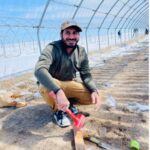
Person standing next to rainout shelter

A recent study from KBS students suggests that climate warming can offset insect damage in tall goldenrod, potentially making this already aggressive prairie plant even more dominant as temperatures rise. Climate change may reduce yields of crops like corn and soybeans, but it can also give some plants an edge. That’s one of the takeaways of a recent study of tall goldenrod, a common wildflower that runs rampant in fields across its native range in North America and other parts of the world where it has been introduced. Many goldenrod plants are pocked by tumorlike growths, called

Continue reading Undergraduate and graduate KBS researchers show how climate warming may be a boon for native goldenrod

Graduate research from the KBS LTER highlights the role of drought in altering plant-environment interactions

11.11.25

A photograph of the Rainfall Exclusion Experiment (REX) at KBS LTER.

Through an experiment that simulates future climate change conditions within the KBS LTER, researchers found that drought strongly affects the chemical compounds released by goldenrod, suggesting that climate change could significantly influence how ecosystems function. Though you might not be able to see it with the naked eye, plants are constantly interacting with their environment. One way they do this is through the release of volatile organic compounds (VOCs) – chemical signals that help them communicate and react to both living and non-living factors around them. These VOCs form the

Continue reading Graduate research from the KBS LTER highlights the role of drought in altering plant-environment interactions

Graduate research from the KBS LTER reveals how nematodes contribute to soil food web stability in droughts

9.11.25

Dr. Christine Sprunger and Dr. Tvisha Martin sample soil in the KBS LTER. Credit: Liz Schultheis

Using the Rainfall Exclusion Experiment (REX) within the KBS LTER, researchers found that nematode communities are more stable in early successional landscapes than agricultural ones during drought. This study highlights the importance of plant diversity for resilient soil ecosystems under environmental change. As farmers adopt new strategies to cope with increasingly extreme weather events, such as heatwaves and droughts, understanding the mechanisms behind resiliency in agricultural systems is critical. While it’s well-established that drought harms crop production, less is known about h

Continue reading Graduate research from the KBS LTER reveals how nematodes contribute to soil food web stability in droughts

Graduate research from the KBS LTER explores grassland resilience to climate change

1.28.25

Rainout shelter with person standing underneath

Two decades of data on plant communities and weather from the LTER Main Cropping Systems Experiment show that extreme dry and wet years reduce species richness (the number of species) but increase evenness (how evenly abundant the species are). Because richness and evenness also increase long-term stability and resistance to extreme precipitation events, these changes to communities might have long-lasting effects on the resilience of plant communities to the increasingly variable precipitation patterns expected in the future. While the focus of climate change is often on warming

Continue reading Graduate research from the KBS LTER explores grassland resilience to climate change

Drought effect on pore structure in soils: Reflections from an LTER Fellow

1.23.24

Goutham collecting soil core samples under a rainout shelter at one of the LTER sites.

Goutham Thotakuri is a graduate student in the Kravchenko lab at Michigan State University. His research is focused on the study of carbon transfer between various cover crop species and soil carbon sequestration. Recent changes to our climate dynamics have brought on alarming drought conditions in many parts of the world. Since we cannot control the climate, we need to prepare our agricultural systems for adversity.  One way to do this is through understanding the soil's hydro-physical and biochemical processes. We can identify critical factors influencing drought resilience by

Continue reading Drought effect on pore structure in soils: Reflections from an LTER Fellow

Trials and tribulations of a PhD student: Reflections from an LTER Fellow
1.10.24

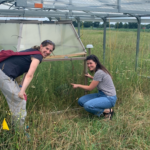
PI Phoebe Zarnetske (left) and PhD candidate Moriah Young (right) posing outside of an Open Top Chamber and under a rainout shelter that simulate warming, drought, and warming + drought.

Moriah Young is a graduate student at the Kellogg Biological Station and a member of Phoebe Zarnetske's Lab. Her PhD research seeks to understand the effects of climate change on soil biota, plant, and herbivore interactions. Using a combination of field and greenhouse studies, Moriah works to understand the ways in which the composition and structure of soil microbial communities respond to warming and drought, as well as describing the role that the soil microbial community has on plant traits, stress responses, and insect preferences in the presence of warming and drought.  I went into

Continue reading Trials and tribulations of a PhD student: Reflections from an LTER Fellow

Disentangling the complex effects of climate change on above and belowground communities: Reflections from an LTER Fellow
1.24.22

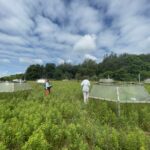
Open top chambers

Graduate researcher, Moriah Young, is a Ph.D. student in Dr. Phoebe Zarnetske’s lab at Michigan State University. The lab uses open top chambers (OTCs) to study how biotic interactions and climate change directly and indirectly affect community structure and function at the KBS LTER.  Climate change is a pressing threat to ecosystems around the world. From warmer temperatures to more unpredictable rainfall, climate change has shown to have a myriad of effects on ecosystems. Most research has focused on direct effects of climate change on species. For example, how does warming a

Continue reading Disentangling the complex effects of climate change on above and belowground communities: Reflections from an LTER Fellow

Studying climate change effects on plant traits: Reflections from an LTER Fellow
12.6.21

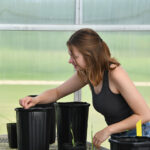
Graduate researcher, Kara Dobson, is a Ph.D. student in Dr. Phoebe Zarnetske’s Spatial and Community Ecology (SpaCE) Lab at Michigan State University. Her research focus is on the effects of climate warming and rainfall variability on plant traits. Climate change poses a looming threat to the functioning of ecosystems worldwide. Within ecosystems, my interest lies with plants and how they respond to stress caused by climate change. The way plants respond to stress varies widely and is dependent on things such as trait differences between plant species, differences in geographic location

Continue reading Studying climate change effects on plant traits: Reflections from an LTER Fellow

Recent News and Events

  • KBS LTER scientists use machine learning to improve prediction of US cropland nitrous oxide emissions
  • Undergraduate and graduate KBS researchers show how climate warming may be a boon for native goldenrod
  • Graduate research from the KBS LTER reveals plant traits that predict ecosystem stability
  • Farmscapes to Forests: An evening with KBS LTER’s 2025 Artists-in-Residence
  • RET Melissa Frost to visit Konza LTER in cross-site synthesis effort

Blog Categories

  • Education and Outreach News
  • Events
  • Research News

Copyright © 2026 Michigan State University Board of Trustees | East Lansing, MI | 48824

  • LEGAL
  • MSU HOME
  • SITEMAP
  • RSS
  • EMAIL